


Sri Lanka, known as Ceylon until 1972, is renowned worldwide for its abundant and exceptionally diverse collection of gemstones.
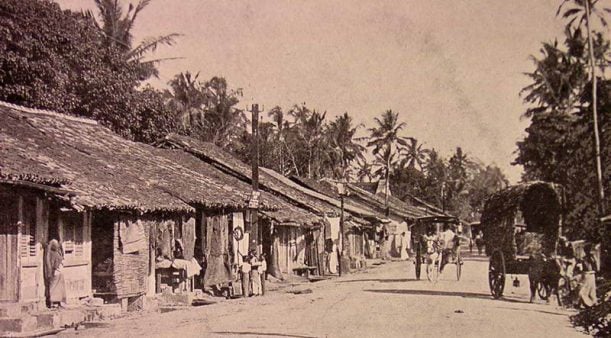
Sri Lanka, formerly known as Ceylon, has long been famed for its abundant and continuous supply of high-quality precious and semi-precious gemstones, thanks to its mineral-rich soil. The ancient Sri Lankan chronicle Mahavamsa refers to the island as “Rathna Deepa” in Sanskrit, meaning “Island of Jewels.” The country boasts a long history of rich and varied gem deposits. Ratnapura, which means “City of Gems” in Sinhalese, is especially noted for its incredible range of gemstones, many of which are superior in quality to those found elsewhere. Since ancient times, Sri Lanka has produced an impressive array of gems including Blue, Golden Yellow, Pink, and Orange sapphires, Rubies, Padparadscha (a pinkish-yellow sapphire), Chrysoberyl Cat’s Eyes, Alexandrite, color-changing garnets, Star sapphires, Garnets, Zircons, Tourmalines, and Spinels.
The ancient chronicle also refers to gem-studded thrones owned by a Naga king in 540 BC, providing historical evidence that Sri Lanka’s gem history dates back over 2,500 years. Throughout history, many Sri Lankan kings have sent gemstones and pearls abroad to foster trade and diplomatic relations. In 250 BC, it is recorded that the reigning king gifted three types of gems and eight varieties of pearls to an Indian emperor. A Roman naturalist noted that during the reign of Emperor Claudius (AD 41–54), the ambassador from “Taprobane” (the name used for Sri Lanka at the time) proudly spoke of the island’s exceptional gemstones. Historical figures such as the Greek astronomer Ptolemy in the 2nd century, Marco Polo in the 12th century, the renowned Arab explorer Ibn Battuta in the 14th century, and Robert Knox all mentioned the remarkable abundance of sapphires, beryls, topaz, amethyst, and garnets they encountered in Sri Lanka.
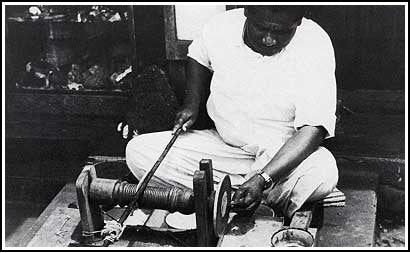
Sri Lanka has not only been a source of an extraordinary variety of gemstones but also has a centuries-old tradition of mining, cutting, and polishing them. Since the time of ancient kingdoms, nearly all gems found in the country have been expertly cut and polished before being exported. The skill of gem cutting and polishing has been deeply ingrained in Sri Lankans, thanks to their extensive knowledge of the different types of gemstones and the specific techniques required for each. The gem trade has largely been dominated by the Ceylon Moors, descendants of Arab traders, owing to their rich heritage in commerce, multilingual abilities, and their capacity to travel widely in search of valuable goods.
Ceylon is renowned not only for its wealth of gemstones but also for its stunning natural beauty. The island is celebrated for its rich biodiversity, serving as a natural habitat for a wide range of wildlife, and is nourished by rivers that flow across the land, enhancing its fertility. Sri Lanka is home to a diverse population, including Sinhalese, Tamils, Muslims, and Burghers, and its warm tropical climate makes it a favorite destination among tourists.

According to legend, the first man, Adam, is believed to have set foot on Earth at “Piduruthalagala” (also known as Adam’s Peak), where his large footprint is said to be preserved for thousands of years. This site is among Sri Lanka’s many popular tourist attractions, which also include Sigiriya—a massive natural rock transformed into a royal fortress by King Kashyapa between 477 and 495 AD, now recognized as a UNESCO World Heritage Site. Other notable attractions include the Sinharaja Rainforest and the island’s sunny beaches, which draw millions of tourists from around the world each year.
In addition to its renowned gemstones, Sri Lanka is also famous for its agricultural products such as coconuts, rubber, tea, and textiles, along with spices like cinnamon, cardamom, and clove. The country is rich in natural resources ranging from precious gemstones to limestone, graphite, mineral sands, phosphates, uranium, and clay. Its numerous rivers are harnessed to generate hydroelectric power, which supplies electricity to most industries and households across the nation.
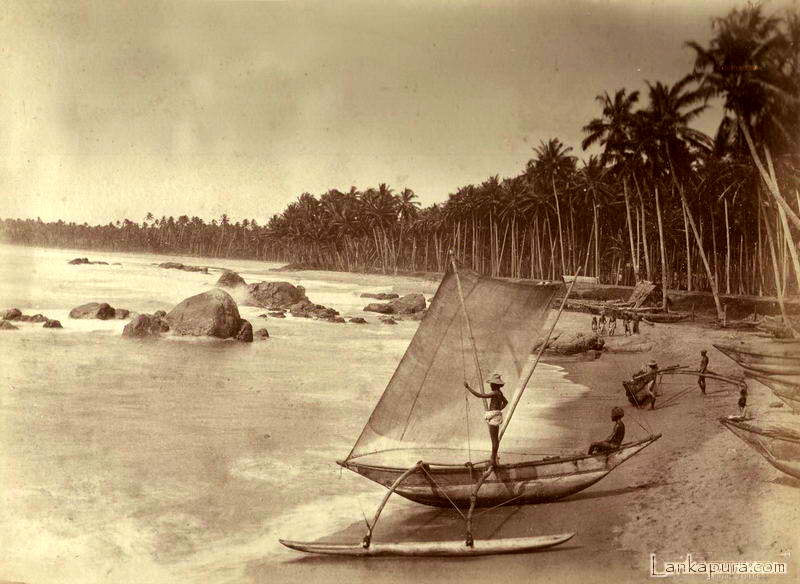
Numerous scattered references and legends suggest that Sri Lanka’s rich natural beauty and abundance of gemstones attracted early settlers. Among them was Prince Vijaya, who, along with hundreds of his followers from southern India, is believed to have taken control of the island from the Yakkhas—the island’s original inhabitants—after being exiled from his native kingdom between 543 and 505 BC. He established the first known kingdom in Sri Lanka and became the founding ancestor of the modern Sinhalese people.
As the island prospered over the following millennia, it became a hub for international trade. Traders and explorers visited the island—known as Rathna Deepa (Gem Island)—to exchange valuable goods. Early Arab, Moroccan, and Somali merchants arrived periodically to trade spices and other commodities. The Portuguese were the first Europeans to arrive, landing on the shores of Galle accidentally after being blown off course by a storm. Initially, their purpose was commercial, but they soon took advantage of internal divisions among the Sinhalese during the reign of King Vijayabahu. Portuguese colonization lasted from 1505 to 1656.
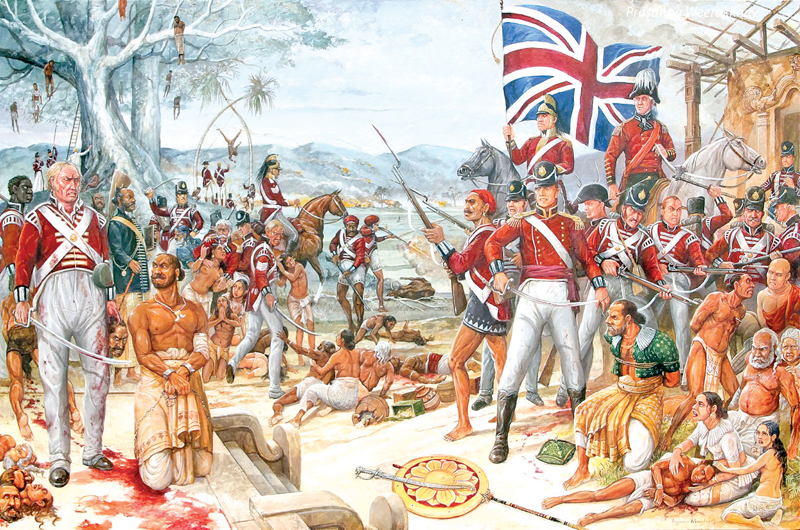
Eventually, the Dutch were invited by the local rulers to help oust the Portuguese—a move often described as a “bad trade,” likening the Portuguese rule to ginger and the Dutch to chili. The Dutch controlled the island from 1656 until 1796, after which the British took over and ruled until Sri Lanka gained independence in 1948. It is believed that during these colonial periods, many of the island’s gem deposits were discovered and exported to foreign lands.
Sri Lanka’s unique geological features have remained largely unchanged for millions of years, dating back to the era of the supercontinent. Over time, the island drifted from its original position near southeastern Africa to its current location in the Indian Ocean, now serving as a vital maritime route connecting the East and West.
Since the end of the 25-year civil war in 2009, Sri Lanka has experienced rapid growth across various sectors, including services, industry, and agriculture. The government has eased regulations on mining and the export of gemstones, leading to significant expansion in the gem industry and contributing to overall economic development.